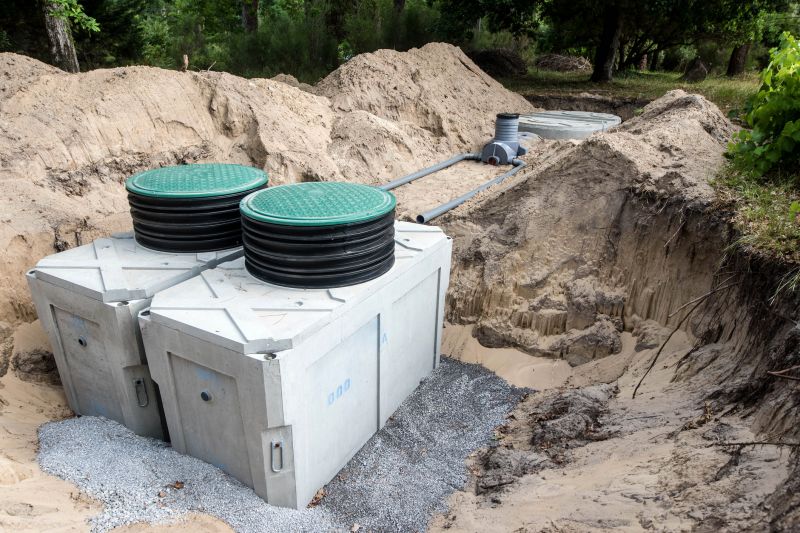
Septic System Relocation in Denver, CO
Septic system relocation services involve moving an existing septic system to a different area of a property or installing a new system where the current one is no longer suitable. This process is often necessary when property owners plan to build additions, change the layout of their land, or encounter site limitations that prevent the current system from functioning properly. Projects can range from shifting a septic tank to accommodate new construction to repositioning the drain field for better soil absorption. Property owners typically want to understand the scope of work involved, potential site restrictions, and how the relocation may impact their property’s drainage and functionality.
Before requesting septic system relocation services, property owners should review local regulations and zoning requirements that may influence the project. It’s important to assess the condition of the existing system and determine if a new installation is needed or if the current system can be adapted. Understanding the land’s soil composition, property boundaries, and access points can help clarify the feasibility of relocation. Gathering this information beforehand can facilitate a smoother process and ensure the new system meets the property’s needs and complies with local standards.
Many property owners in Denver, CO look into Septic System Relocation for repairs, replacements, upgrades, and appearance-related improvements.
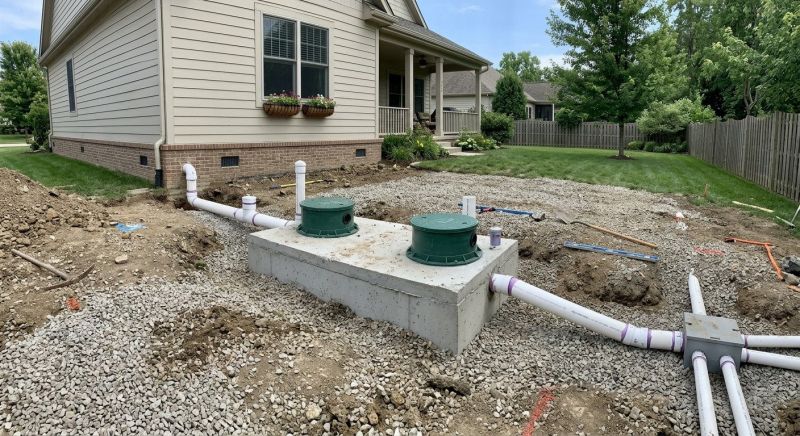
Septic System Relocation Planning
Proper planning ensures the septic system is moved safely and efficiently to accommodate property changes.
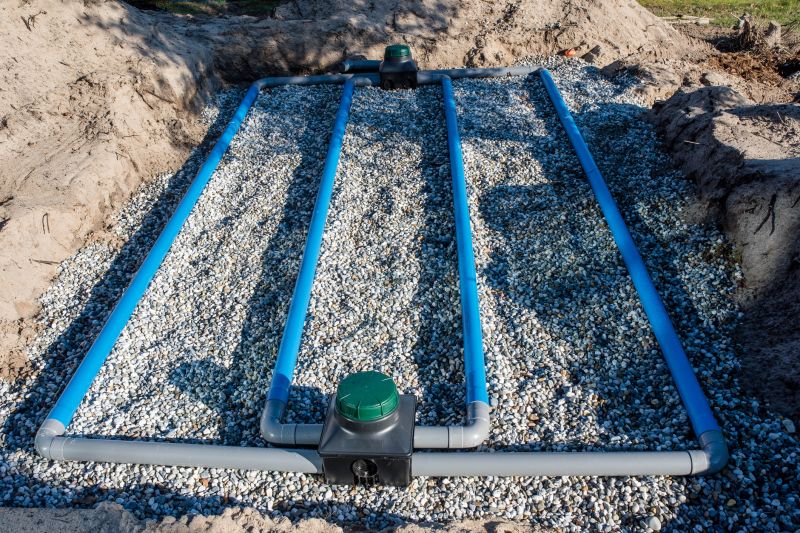
Site Preparation And Excavation
Preparing the site involves excavation and ensuring the new location meets code requirements for septic systems.
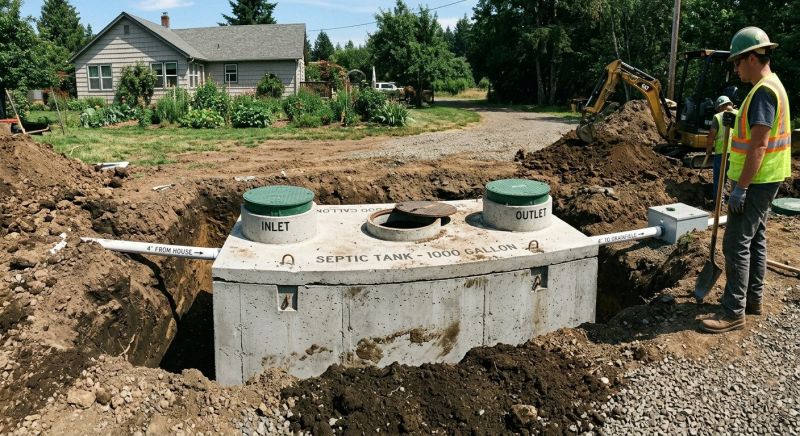
System Installation And Testing
Relocating a septic system includes installing the components and verifying proper function for reliable operation.
Septic System Relocation in Denver, CO

Septic system relocation services involve moving an existing septic system to a different area of a property or installing a new system where the current one is no longer suitable. This process is often necessary when property owners plan to build additions, change the layout of their land, or encounter site limitations that prevent the current system from functioning properly. Projects can range from shifting a septic tank to accommodate new construction to repositioning the drain field for better soil absorption. Property owners typically want to understand the scope of work involved, potential site restrictions, and how the relocation may impact their property’s drainage and functionality.
Before requesting septic system relocation services, property owners should review local regulations and zoning requirements that may influence the project. It’s important to assess the condition of the existing system and determine if a new installation is needed or if the current system can be adapted. Understanding the land’s soil composition, property boundaries, and access points can help clarify the feasibility of relocation. Gathering this information beforehand can facilitate a smoother process and ensure the new system meets the property’s needs and complies with local standards.
Many property owners in Denver, CO look into Septic System Relocation for repairs, replacements, upgrades, and appearance-related improvements.
Common Septic System Relocation Jobs
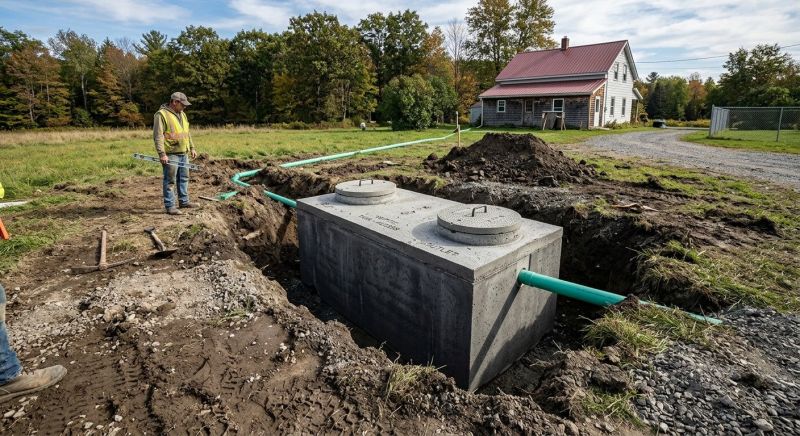
Septic system relocation involves moving an existing septic tank to a new location on the property.
Property expansion projects may require septic system adjustments to accommodate new construction or additions.
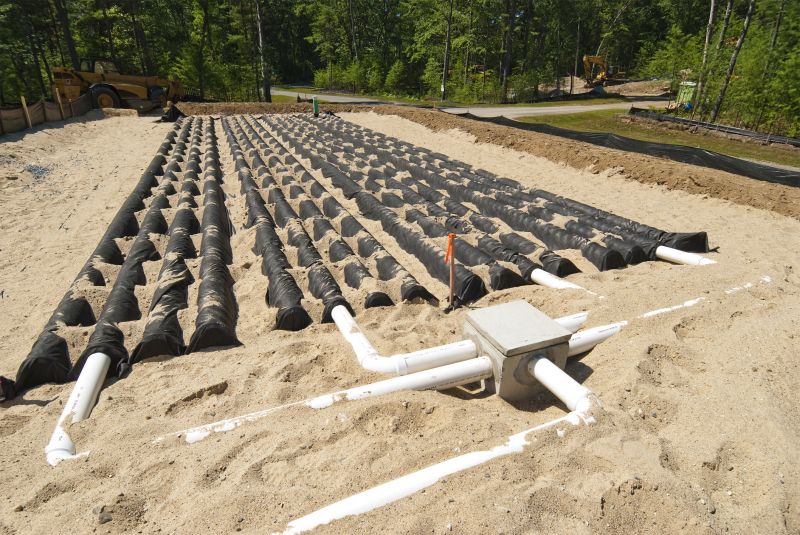
Drainfield replacement includes relocating the drainfield to ensure proper wastewater absorption.
Landscaping or grading changes can necessitate septic system adjustments to prevent system failure.
Property line or boundary changes may require septic system repositioning to meet local regulations.
Old or failing systems can be relocated to improve functionality and extend system lifespan.
Septic System Relocation Questions
What is septic system relocation? It involves moving an existing septic system to a new location on the property, often due to construction or site changes.
Why might a septic system need to be relocated? Common reasons include new building projects, property expansion, or to meet updated setback requirements.
What should property owners consider before relocating a septic system? It’s important to evaluate soil conditions, access to the new site, and compliance with local regulations.
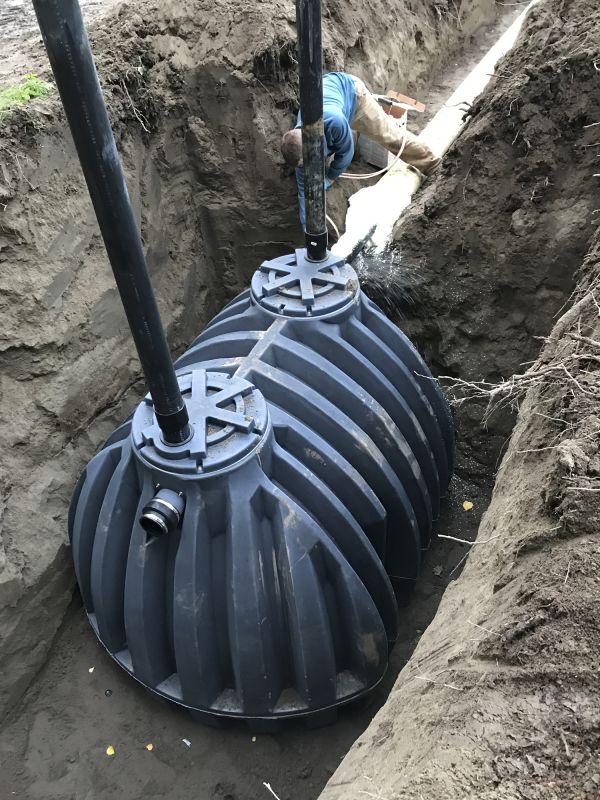
How does the relocation process typically work? It involves site assessment, system design, excavation, and installation of the new system in the selected location.
Request Septic System Relocation in Denver, CO
Use the quote form on this page to share the basics of your project and request more information for the type of work you need.